Information
Landmark: Rorbu CabinsCity: Reine
Country: Iceland
Continent: Europe
Rorbu Cabins, Reine, Iceland, Europe
Overview
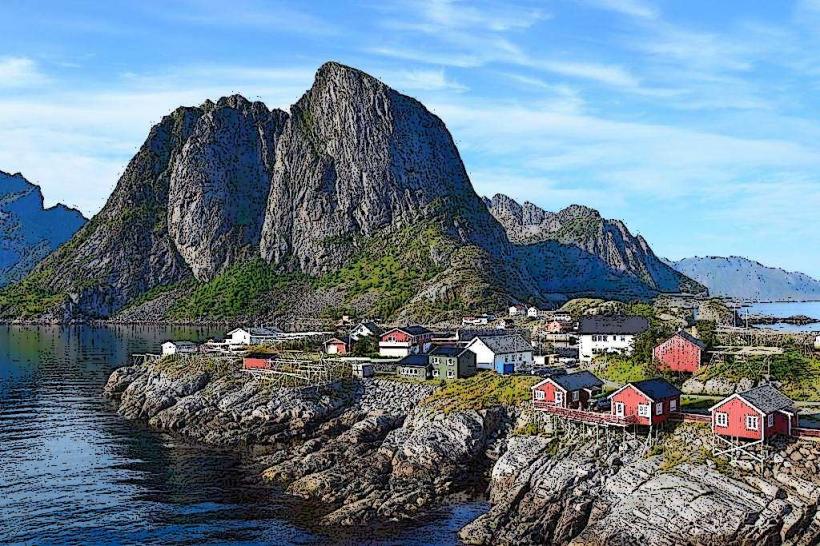
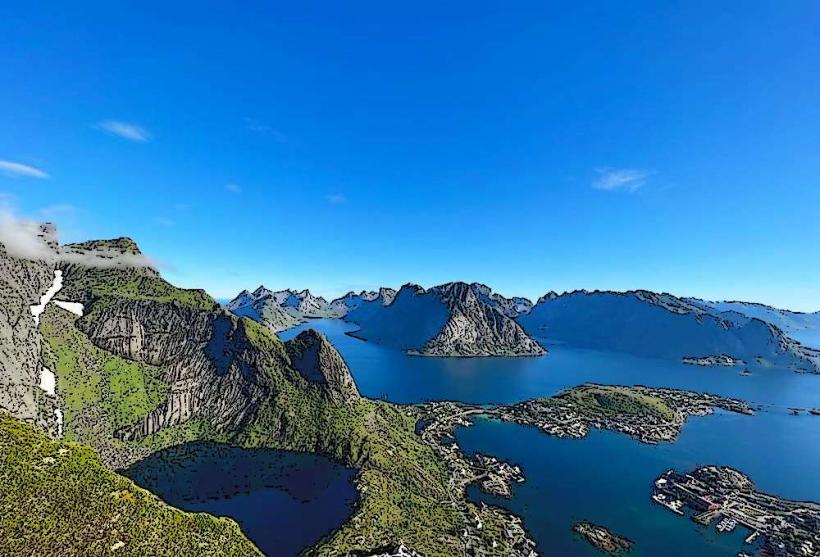
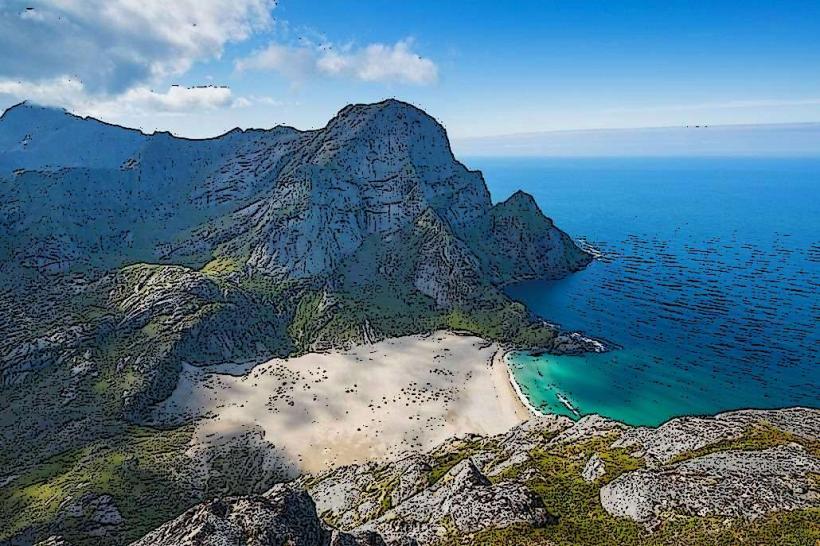
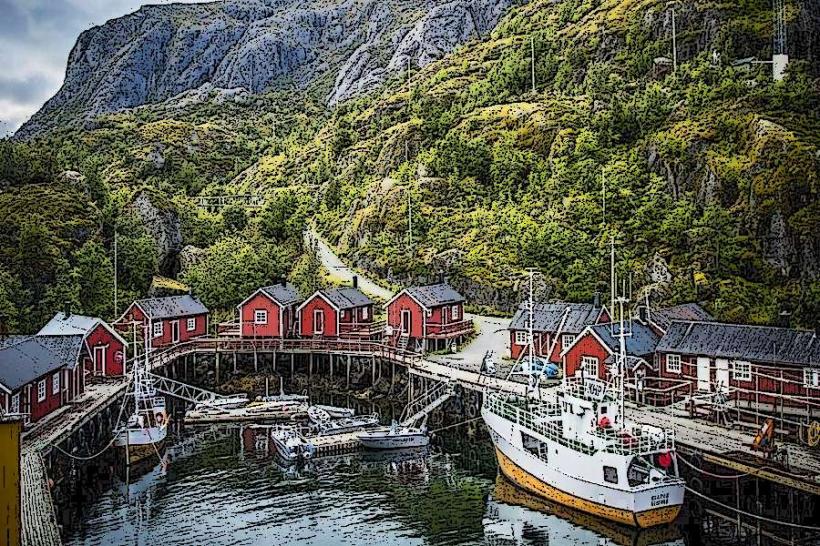
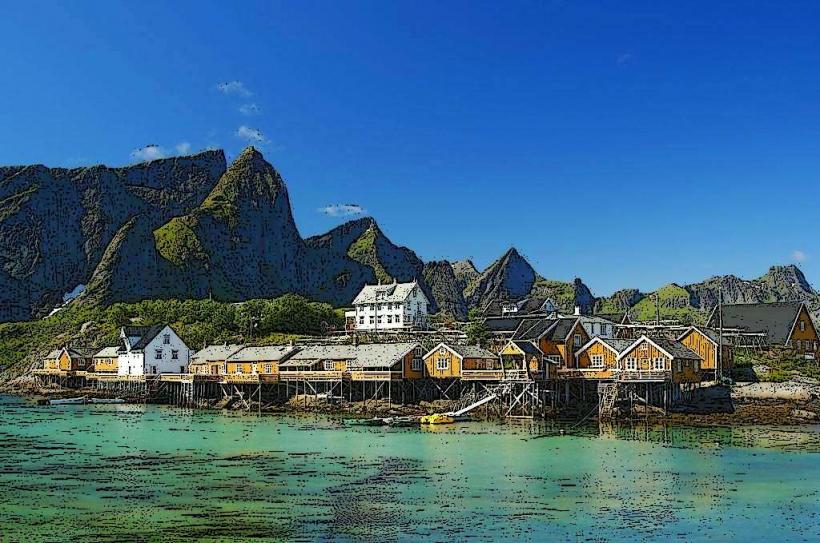
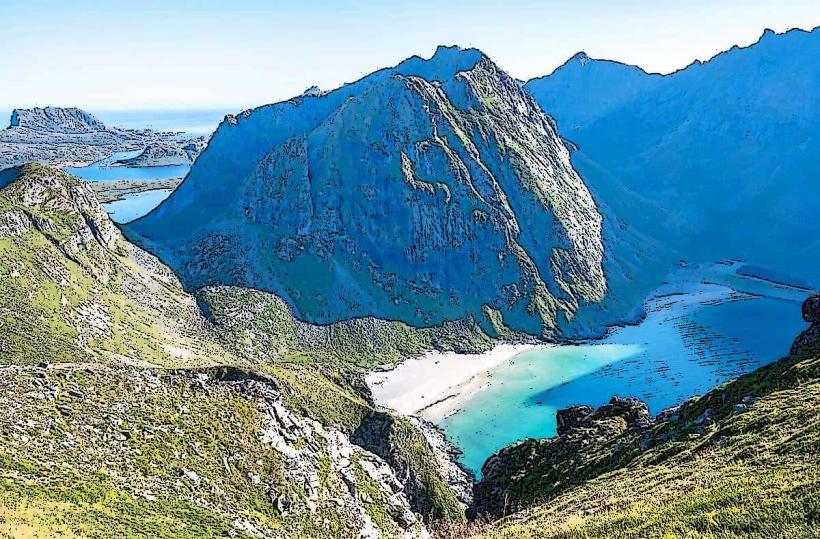
Rorbu cabins, once simple shelters for Norwegian fishermen, now stand as vivid symbols of the country’s coastal heritage, especially along the wind-swept shores of the Lofoten Islands, to boot these unique buildings trace their roots back to a time when fishermen braved icy winds to reach the Lofoten Islands, needing simple winter shelters between long days at sea.Oddly enough, Today, they welcome travelers into warm, one‑of‑a‑kind rooms where the scent of salt lingers and Norway’s rugged coastline fills the windows, in conjunction with let’s take a closer scan at rorbu cabins-those red wooden huts perched right above the water.Historical Background: In Norwegian, “rorbu” (plural: rorbuer) means “fishing hut,” the kind of weathered cabin you might spot perched on stilts above a rocky shoreline, not only that fishermen once built these cabins as temporary homes in the Lofoten Islands, hunkering down through the height of the cod season when icy winds swept in each winter, more or less Fishermen from every corner of Norway traveled to the islands for the Lofoten Fishery, one of the world’s great cod harvests, where the air smelled of salt and drying fish, to boot in those days, rorbu cabins were plain, sturdy shelters built to keep the men warm through long, icy nights.Actually, They were usually wooden, set right at the water’s edge-often in harbors or tucked into narrow fjords-so fishermen could step straight into their boats, along with traditional rorbu cabins stood on sturdy wooden platforms, raised above the waves to keep out the tide and withstand harsh storms.Many cabins sport steep gable roofs that send snow and rain sliding off in seconds, and wide windows frame the sweep of the surrounding sea, subsequently they began as modest one- or two-room shelters, but these days you’ll find larger versions with modern comforts, still holding onto their historic-time warmth.You’ll usually find a cozy living room, a kitchen that smells faintly of coffee, and a handful of bedrooms, subsequently some even come with a minute terrace or balcony where you can watch the waves roll in.You’ll mostly find these rorbu cabins along the coast-especially in the Lofoten Islands and in other Norwegian spots like the Vesterålen archipelago, then you’ll often find them huddled in tiny fishing villages, where the air smells of salt and the fjords curve between mountains before spilling into the open sea, somewhat Today, many rorbu cabins have been turned into vacation rentals, a favorite choice for travelers wanting to taste Norway’s coastal life, as a result they’re especially popular in the Lofoten Islands, where you can rent a cozy cabin right on the water for a deeper taste of local life.Traditional rorbu cabins were once simple and bare, but today many come with heat, electricity, full kitchens, Wi‑Fi, and even the luxury of a warm sauna after a nippy day outside, after that still, they hold onto a rustic charm-warm wooden walls, creaking floors, and details that whisper of another time.Staying in a rorbu cabin lets you step into the life of the antique fishermen, all while gazing out at Norway’s wild, breathtaking northern coast, alternatively scattered through charming fishing villages, many rorbu cabins give you sweeping views of fjords, jagged peaks, and-depending on the season-the shimmering Northern Lights or the golden glow of the Midnight Sun.They’re also a living piece of Norway’s maritime heritage, at the same time for centuries, the Lofoten Islands have thrived on fishing, and the weathered red rorbu cabins, perched along the rocky shore, stand as proof of its deep roots in local life.Oddly enough, Today, those same cabins play a enormous role in keeping the islands’ economy afloat, what’s more by renting them to tourists, families and communities still running them can earn a steady income-enough to keep the lights on and the doors open.Some rorbu cabins still belong to fishing families who return each season, hauling in nets and stories, while others serve tourists year-round, simultaneously many newer ones focus on sustainability, using reclaimed timber and energy-saving systems to tread lightly on the coast.It appears, As more travelers seek out rorbu cabins, they’re also discovering how vital it is to protect Norway’s coastal heritage and wild, salt-scented shores, to boot among the many spots to stay, the Lofoten Islands stand out as the most iconic.Scattered through historic fishing villages like Reine, Hamnen, Ballstad, and Svolvær, many of these cabins give you sweeping sea views and put hiking trails, calm kayak routes, and fishing spots right at your doorstep; just north of the Lofoten Islands, the Vesterålen archipelago offers another perfect site to stay in a rorbu cabin, and famous for its quiet beauty and wildlife-whales surfacing in the frosty, clear bays-Vesterålen offers secluded stays in traditional rorbu cabins.Senja, Norway’s second-largest island, is another favorite spot for renting one of these cozy waterfront huts, at the same time it’s quieter than Lofoten but just as breathtaking, with jagged cliffs, sweeping views, and plenty of wildlife to spot, in some ways Many travelers rent cozy rorbu cabins and spend the day fishing-casting lines from the rocky shore or heading out by boat into the icy, clear water, therefore cod fishing draws plenty of visitors, with some rorbu cabins lending out rods or arranging guided trips out on the icy, salt-radiant water.In winter, the Lofoten Islands and other coastal stretches of Norway glow under the sweeping green arcs of the Northern Lights, simultaneously a rorbu cabin puts you right by the water, a cozy wooden base for watching this natural wonder.In the Lofoten Islands, jagged peaks rise all around, and countless trails lead you to sweeping views of their wild, dramatic beauty, consequently favorite trails like Reinebringen and Ryten reward hikers with sweeping views of glassy fjords and pale sand beaches.Out on the water, you might spot a whale’s tail slicing the waves or a sea eagle gliding overhead, in addition many rorbu cabins sit close to prime whale- and bird-watching spots, so they’re perfect for anyone who loves nature.For travelers counting their kroner, some offer plain, cozy rooms with just the essentials-a warm bed, a kettle, and a view of the sea, as well as these cabins may skip some modern comforts, yet they wrap you in a warm, genuine charm-the scent of fresh pine drifting through an open window.As you can see, Luxury Rorbu Cabins, on the other hand, spoil guests with plush touches, sweeping sea views, and indulgences like sweltering tubs, saunas, and gleaming gourmet kitchens, moreover these cabins give you a touch of luxury without losing the weathered wood and cozy warmth of traditional Norwegian stays, moderately Choosing a rorbu means waking up to the tang of sea air and the quiet sway of boats, all while soaking in Norway’s maritime heritage and the dramatic beauty of the Lofoten coast, then whether you want a quiet cabin with creaky wooden floors or a plush escape with crisp white sheets, you’ll find it here.
Author: Tourist Landmarks
Date: 2025-09-04